


Beaches
Dún Laoghaire Baths – Bathing Water Classification FAQs
16 May 2026
Dun Laoghaire
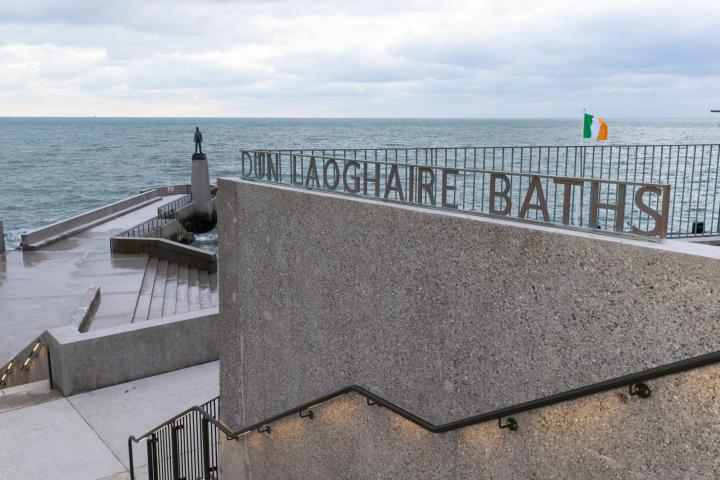
When was Dún Laoghaire Baths classified as an official bathing water area?
Dún Laoghaire Baths was formally identified as an official bathing water in 2025. As with all designated bathing waters, monitoring under the Bathing Water Regulations began from that point, with sampling carried out in advance of and during the bathing season each year. This means the official classification is based on a limited dataset, rather than the larger number of samples usually available over time (normally four years). In 2023 and 2024 Dun Laoghaire Baths was an Other Monitored water, meaning samples were taken and results made public, but these do not count towards the overall Classification.
Why has Dún Laoghaire Baths been given a “Poor” classification?
The classification is based on test results used by the EPA to assess water quality for 2025. In this case, it reflects a number of samples from one bathing season, where a few isolated pollution events had a strong impact.
Does “Poor” mean the water is always unsafe?
No. The classification reflects overall results used for reporting, not day‑to‑day conditions. Individual test results at the Dún Laoghaire Baths are often much better, and water quality can change quickly depending on weather and other factors.
Is swimming banned at Dún Laoghaire Baths?
No. There is no ban on swimming. Dún Laoghaire Baths remains open. There may be an advisory notice in place, but this is to inform swimmers, not to prohibit swimming. The purpose of an advisory notice is to help people make an informed decision by providing clear and timely information about water quality or potential risks.
Why is classification made over a single season?
Dún Laoghaire Baths is a newly designated bathing area. This means the official classification is based on a limited dataset, rather than the larger number of samples usually available over time. We have significantly exceeded the minimum sampling requirements, carrying out frequent testing to give bathers the most up‑to‑date information on water quality using the prescribed testing method.
What are you doing to improve water quality?
A detailed management plan is in place, including monitoring, investigation of pollution sources, and to reduce risks such as dog fouling.
How often does the council test the waters at Dún Laoghaire Baths?
We carry out more frequent monitoring than required under the regulations:
- Twice per month outside the bathing season
- Weekly during the bathing season (1 June – 15 September)
- All results are published on our website, shared on socials and can also be found on beaches.ie
How long does it take from sampling to test results being published and where are they tested?
- Samples are taken on site and brought to Dublin City Council’s central laboratory for analysis.
- Testing requires bacterial growth methods, so results are typically available within up to 48 hours, although this can extend to 4–5 days depending on timing and tides (e.g. later in the week).
What should the public do?
- Always check the latest information before swimming.
- Look at signage at the Dún Laoghaire Baths or check the bathing results on-line especially after heavy rainfall or when advisory notices are in place.
- Observe the 48 hour rule after heavy rainfall
Share
Facebook
News
View all
Travel & Transport
Traffic and Roadworks Update: 24 to 30 October 2026
Fri, 23 Oct 2026 12:00
dlr County
Housing

Starter Home Supports
Fri, 23 Oct 2026 12:00
dlr County
Capital Programme
Town & Village Renewal Scheme 2026 Opens for Expressions of...
Fri, 23 Oct 2026 12:00
dlr County